On the slow art of curating calm — and the surprising power of what you choose to live with.
There is a room you walk into and something in you exhales. The light falls a certain way. The colors hold a particular quiet. Nothing demands your attention, yet everything feels considered. You didn’t design it that way consciously — but somehow, slowly, it became the room where you return to yourself.
Most of us have felt this. Fewer of us know how to make it happen intentionally.
The relationship between our physical environment and our inner state is not a new idea — but it has never been more urgent. In a world that is loud, cluttered, and relentlessly stimulating, the calm, intentional home has become an act of self-preservation. What we surround ourselves with is not decoration. It is, in the most literal sense, a daily conversation between the space and the self.
This is what The Still Within is about: finding the language for that conversation — and choosing it carefully.
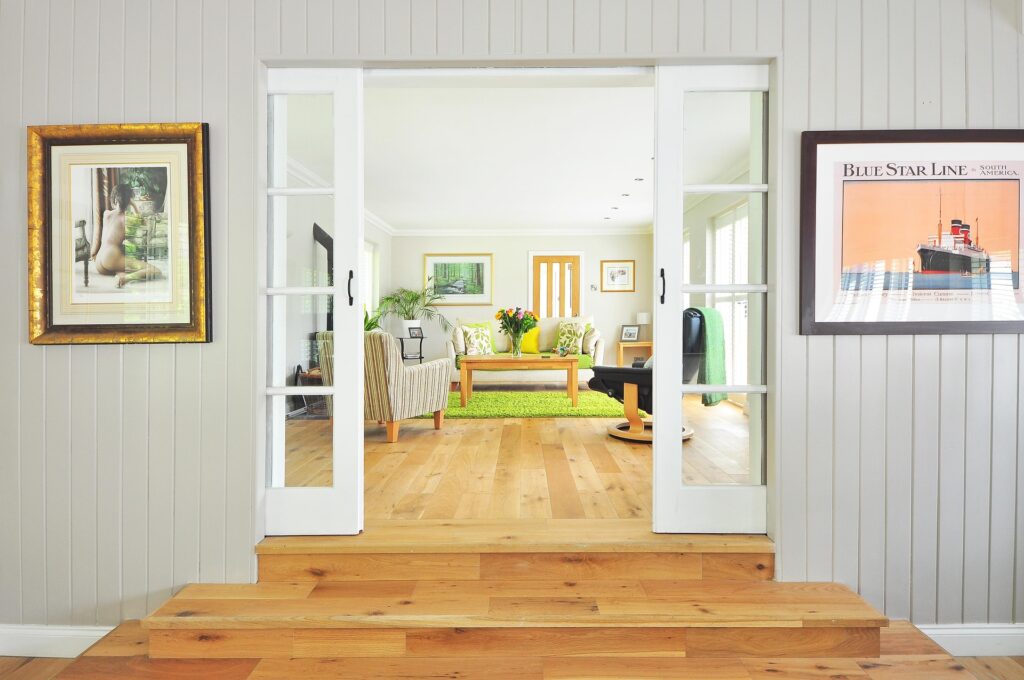
Why Your Environment Shapes Your Inner Life
Environmental psychology has long established what our instincts already know: the spaces we inhabit influence our mood, our focus, our sense of possibility. Cluttered rooms elevate cortisol. Harsh lighting narrows thinking. A space that feels discordant — too busy, too cold, too impersonal — creates a subtle but persistent low-grade tension we carry through our days without ever naming it.
But the reverse is equally true. A calming home environment doesn’t just relax the nervous system — it creates a kind of internal permission. Permission to slow down. To think clearly. To simply be, without the constant pull to do.
“The objects we live with are not neutral. Every one of them asks something of us — or gives something back. The art of a beautiful home is knowing the difference.”
This is why intentional home decor is not about aesthetics alone. It is about curation in the deepest sense — choosing what belongs in your space not only because it looks beautiful, but because of what it does to you when you move through your own rooms.
The Simplicity That Isn’t Empty
There is a version of minimalism that feels cold — stripped of warmth, stripped of meaning, stripped of the beautiful mess of being human. That is not what simple living asks of us.
True simplicity is not absence. It is precision. It is the discipline of having chosen so deliberately that nothing in your home exists without purpose or resonance. The linen-covered chair by the window. The single print on the otherwise bare wall. The ceramic cup that sits on the sill not because it is useful but because its shape pleases you every morning.
These small, intentional choices accumulate into something larger: a life that feels like it belongs to you. A home that reflects, rather than obscures, who you are.
Simplicity in a beautiful, calm interior is a form of honesty. And honesty, it turns out, is deeply restful.
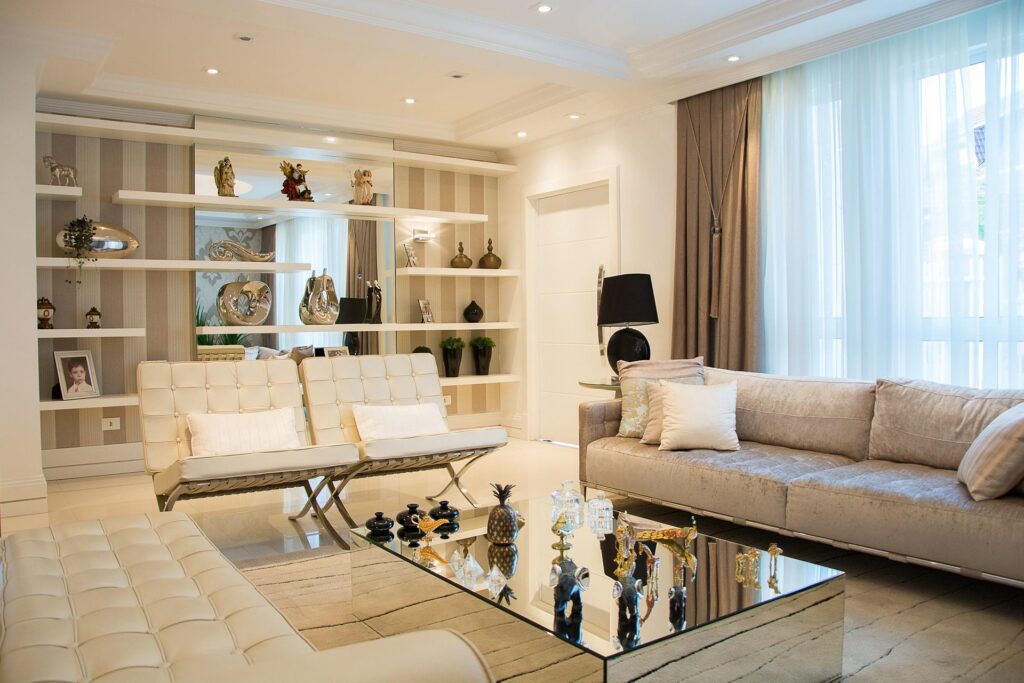
The Quiet Influence of Art on a Wall
Of all the decisions we make when shaping a space, few carry more emotional weight — or are more overlooked — than the art we choose to live with.
We walk past our walls dozens of times a day. The images hanging there become part of our peripheral consciousness, woven into the texture of our mornings and evenings. We stop noticing them, but they do not stop working. Over time, the art in a home becomes part of its emotional weather.
This is why wall art for calming spaces is worth taking seriously. Not as a trend or a styling decision, but as a considered choice about what you want to feel in your own home. A room with a frantic, high-contrast image vibrates differently than one with a soft botanical print or a hand-drawn floral in muted, natural tones.
“Art is the one element in a room that speaks directly to the interior life — not to the eye alone, but to everything behind it.”
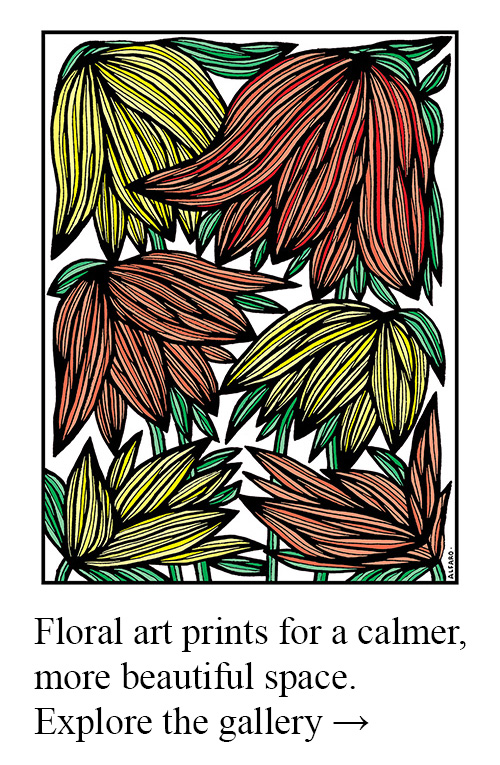
Original botanical art prints occupy a particular place in this quiet conversation. Flowers, rendered with attention and care by a human hand, carry a distinct quality that mass-produced prints cannot replicate. There is something in the line — the slight imperfection, the visible thought — that reads as presence. As aliveness. It is art that breathes alongside you.
How to Begin: Cultivating a Considered Space
You do not need to redesign your home. You do not need to start over. The shift toward a more intentional, mindful living space begins with a single question asked in each room: What is this asking of me?
From there, the practice deepens naturally. You begin to notice what drains — the object that always catches your eye in a way that unsettles rather than soothes, the color that feels slightly off, the clutter that accumulates in the corners of your attention as well as your rooms.
You also begin to notice what restores. The particular quality of afternoon light through a certain window. The way a small vase of dried flowers on a shelf makes you feel, every morning, as if someone considered your day before it began. The print on the wall that you still find yourself looking at weeks after you hung it, discovering something new each time.
These are not accidents. They are the result of choices made slowly, honestly, with care for how you want to live. Home decor for emotional well-being is simply this: paying attention to what your space gives back.
The Object That Asks Nothing of You
In a life full of demands, there is something quietly radical about a beautiful, still thing that asks nothing in return.
A hand-drawn floral art print — delicate, grounded in the natural world, brought into being by a patient human hand — is exactly this. It does not need to be updated, maintained, or explained. It simply exists in your space, offering the same quiet beauty whether you notice it deliberately or absorb it at the edge of your attention while making tea.
This is the kind of object worth choosing. Not because it makes a statement, but because it makes a feeling.
When we curate our spaces with things like this — with nature-inspired wall art, with organic textures, with the visual language of the slow and the considered — we are not simply decorating. We are editing. We are deciding, daily, what we want the quality of our own inner life to be.
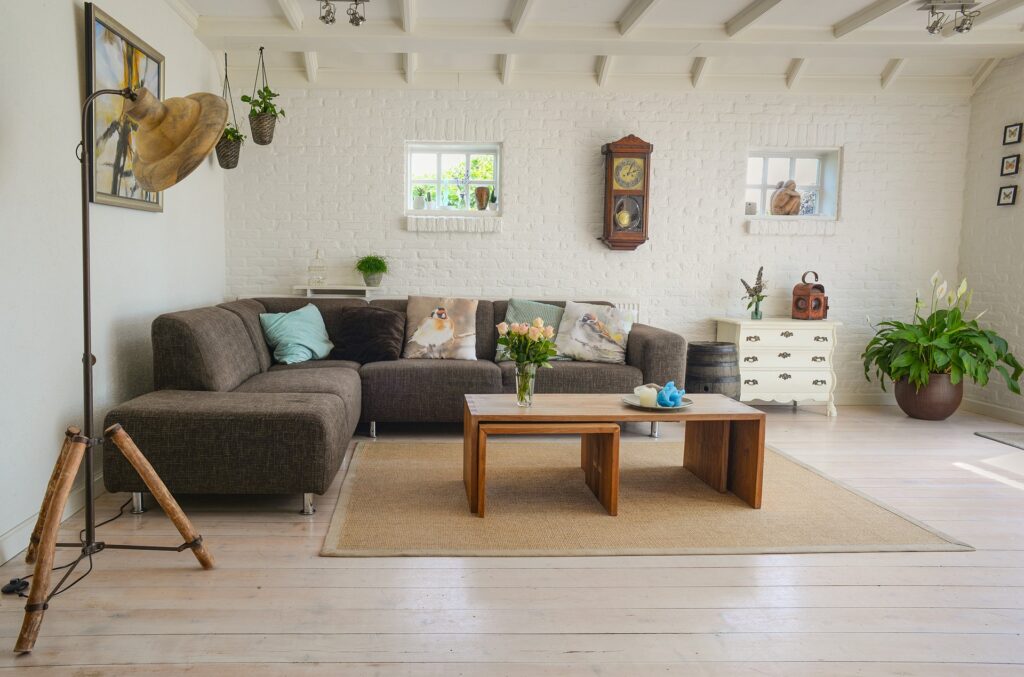
A Final Thought: Begin with One Wall
You don’t have to do everything at once. The calm home aesthetic is built not in a weekend but over time — slowly, intuitively, in the way of any practice that requires discernment.
But you can begin today with one small decision. One wall. One print. One deliberate choice to bring something beautiful and still into your space — something chosen not because it matches the sofa, but because it makes you feel, in some quiet way, more like yourself.
That is where the still within begins: at the threshold between your outer space and your inner one. And it is entirely within reach.
If you’re drawn to original hand-drawn floral prints that bring a sense of calm, botanical beauty to your walls, explore our curated collection — each piece drawn with the intention of becoming part of your quieter life.